Electronics Recycling Services: Reliable Disposal Services for Homes
E-Waste Disposal: Everything You Need to Know About Safe Recycling
E-waste disposal is a pressing issue that affects both the environment and public health. With the rapid advancement of technology, the amount of discarded electronics continues to rise. Improper disposal can lead to harmful contaminants leaching into ecosystems. Understanding the importance of responsible recycling practices is essential. This discussion will explore effective ways to handle e-waste and emphasize the vital measures people can adopt to make certain their devices are handled in a safe and sustainable manner.
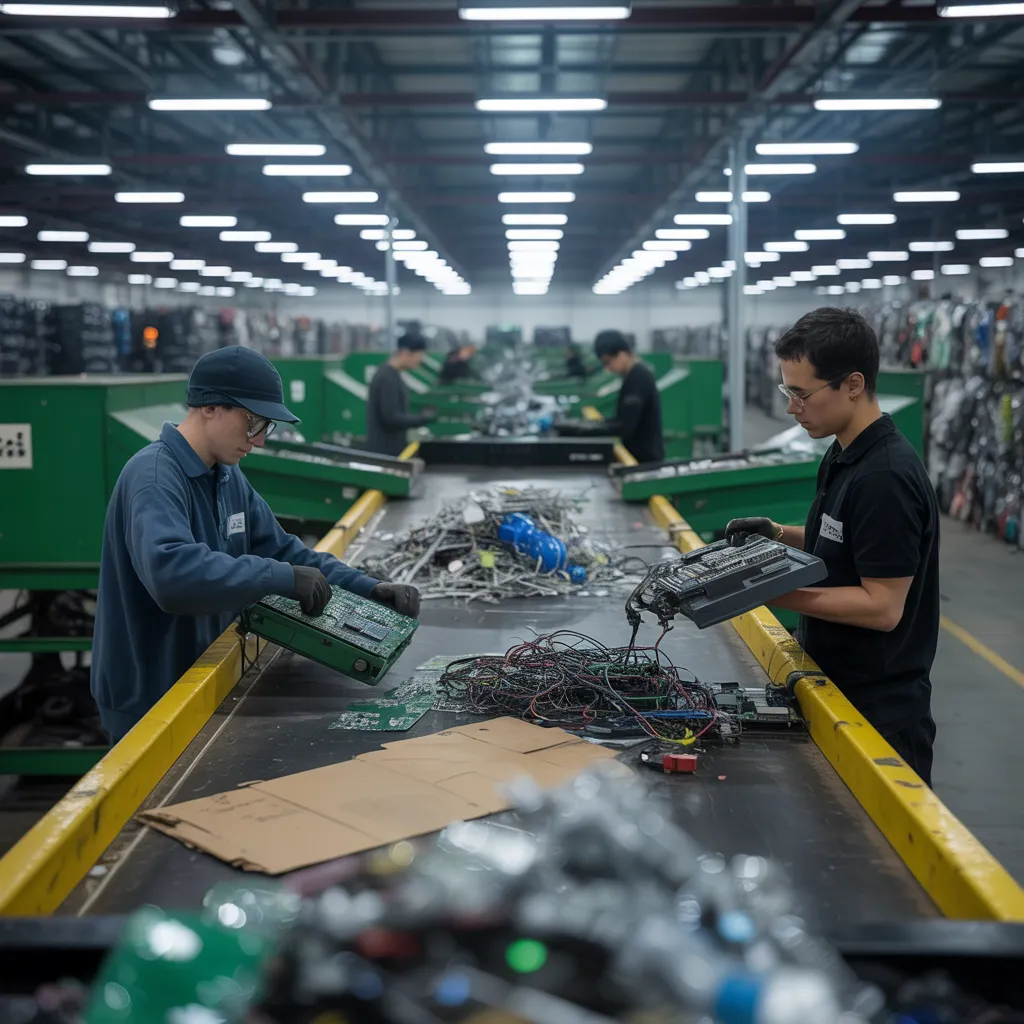
A Guide to E-Waste: What You Need to Know and Why It Counts
Electronic waste, commonly referred to as e-waste, covers obsolete and unwanted electrical and electronic equipment, such as computers, mobile phones, and televisions. The fast-paced evolution of technology has contributed to a significant rise in e-waste output, establishing it as a major environmental challenge. Each year, millions of tons of e-waste are produced worldwide, frequently finding their way into landfills or being handled incorrectly. Such waste harbors valuable components, like gold, silver, and rare earth elements, that are suitable for recycling. However, the improper handling of e-waste can also lead to the release of harmful substances into the environment. Understanding e-waste is essential for promoting responsible disposal practices and recycling efforts. Households, organizations, and regulatory authorities all share responsibility in addressing the consequences of e-waste, underscoring the urgency for greater awareness and coordinated efforts. Proper handling of e-waste not only preserves valuable resources but also promotes sustainable growth and alleviates pressure on landfills.
The Environmental and Health Hazards of Inappropriate E-Waste Disposal
Inappropriate disposal of e-waste creates considerable environmental and health dangers that are commonly ignored. Harmful chemicals such as lead, mercury, and cadmium are routinely discovered in e-waste and can infiltrate soil and water systems, degrading ecosystems and putting wildlife at risk. These toxic compounds have the potential to Find out more concentrate throughout the food chain, presenting grave dangers to human well-being.
Beyond environmental degradation, contact with toxic e-waste substances can result in various health problems, including neurological conditions, respiratory problems, and even malignant diseases. Employees engaged in informal recycling processes are especially susceptible, often lacking protective equipment and proper training.
The cumulative impact of the improper disposal of e-waste reaches further than direct health risks, contributing to lasting environmental problems such as pollution and biodiversity loss. As electronic devices continue to proliferate, the urgency of tackling these concerns becomes increasingly critical for the health of humanity and the natural environment.
E-Waste Recycling Best Practices
Successful e-waste recycling starts with proper sorting techniques, that make certain materials are categorized by their recyclability. Employing certified recycling facilities additionally strengthens the process, as these organizations adhere to environmental standards and safety regulations. Collectively, these best practices promote a more sustainable strategy for electronic waste management.
Effective Sorting Strategies
A substantial portion of electronic waste can be effectively sorted to boost recycling efficiency and minimize environmental impact. Effective sorting methods consist of classifying e-waste into specific classifications based on material makeup, such as metals, plastics, and glass. This practice not only optimizes the recycling procedure but also ensures that hazardous materials, like mercury and lead, are managed responsibly. Additionally, organizing devices according to type—such as appliances, computers, and smartphones—facilitates targeted processing methods appropriate for each device type. Implementing these sorting strategies can significantly enhance recovery rates of useful materials, decrease landfill waste, and decrease the dangers related to improper disposal. Ultimately, systematic sorting is fundamental to responsible electronic waste handling and conscientious recycling standards.
Licensed Recycling Facilities
Categorizing e-waste is only the initial step in a complete recycling plan. The following phase involves employing accredited recycling centers, which adhere to strict standards for environmentally sound processing. These facilities guarantee that dangerous substances, such as mercury and lead, are handled responsibly, lowering the risk of environmental harm. Authorization typically includes guidelines established by organizations like R2 and e-Stewards certification bodies, which support sustainable recycling approaches. By selecting certified facilities, individuals can verify that their e-waste is handled appropriately, with useful materials reclaimed and dangerous materials eliminated safely. This not only supports green efforts but also promotes the recycling-based economy, highlighting the value of responsible e-waste disposal in our modern digital world.
Ways to Get Your Devices Ready for Responsible Recycling
Getting electronic devices for proper recycling entails several important steps that provide data security and environmental safety. First, users should secure important data and then perform a factory reset on their devices to wipe personal information. This guarantees that sensitive data cannot be obtained by unauthorized individuals. Next, it is important to disconnect any batteries or accessories, as these components may demand special handling.
Subsequently, device owners should clean the devices to clear away any personal identifiers, such as labels or stickers. Finally, individuals should collect all required cables and original packaging, if accessible, to facilitate the recycling process. By following these steps, the likelihood of data breaches is reduced, and the devices are readied for responsible recycling, thereby contributing to a more sustainable environment. Following these precautions encourages safe e-waste disposal practices.
Where to Find E-Waste Recycling Centers
Where can people find trustworthy e-waste recycling centers in their area? An efficient strategy is to utilize online resources specifically designed for this purpose. Sites including Earth911 and the e-Stewards Directory allow users to search for regional disposal facilities by providing their zip code. In addition, many municipalities provide information on official e-waste collection points through their government websites or environmental services divisions. Regional electronics shops frequently engage in waste reduction programs, offering collection events or in-store drop-offs. Local associations and non-profit entities sometimes organize electronic waste collection events periodically, offering a convenient solution for community members. Beyond that, reaching out to local environmental groups can yield valuable insights into surrounding options and ideal methods. By exploring these avenues, individuals can guarantee they properly handle their e-waste while contributing to environmental sustainability.
How Can Consumers Advocate for Sustainable E-Waste Practices?
Finding reliable e-waste recycling centers is just the first step in promoting sustainable practices. Consumers can actively advocate for responsible e-waste management by educating themselves and others about the environmental impacts of improper disposal. Distributing knowledge via social media channels, neighborhood forums, or community gatherings can boost awareness and promote conscientious actions among community members.
Furthermore, individuals can support brands that emphasize sustainable practices, such as those providing take-back programs or employing sustainable materials. Collaborating with regional lawmakers to advocate for laws focused on enhancing electronic recycling efforts further strengthens advocacy efforts.
Joining or forming community groups committed to addressing e-waste issues can magnify the demand for positive transformation. Finally, consumers can participate in e-waste collection events, playing a hands-on role in the movement for environmentally conscious disposal practices. By embracing these actions, individuals play an essential role in fostering a culture of environmental responsibility and sustainability surrounding electronic waste.
Common Questions and Answers
What Types of Electronics Are Considered E-Waste?
E-scrap includes obsolete electronic devices like smartphones, computers, printers, televisions, and household appliances. Such devices commonly include harmful substances, making it clear that proper disposal and recycling vital for the health of the environment and the public.
Can I Recycle E-Waste Through Regular Garbage Services?
Disposing of e-waste via standard garbage collection is typically not recommended. Most cities and towns have implemented guidelines that require e-waste to be brought to certified disposal sites to minimize ecological impact and ensure responsible handling of dangerous materials.
Do E-Waste Recycling Services Come With Fees?
Indeed, charges may be linked to e-waste recycling. Several facilities apply costs for certain items or services, while some local governments offer free programs. Individuals should research options to understand potential costs before recycling.
How Is Data Securely Wiped From Devices Before Recycling?
Data is securely wiped from devices utilizing advanced software that overwrites existing information multiple times, guaranteeing full erasure. In addition, physical destruction of storage components may also be used to prevent data recovery before recycling.
What Takes Place With E-Waste After the Recycling Process?
Once recycled, e-waste materials are processed and separated into useful materials like glass, metals, and plastics. Such materials are subsequently utilized for creating new items, thus reducing environmental harm and preserving natural resources.